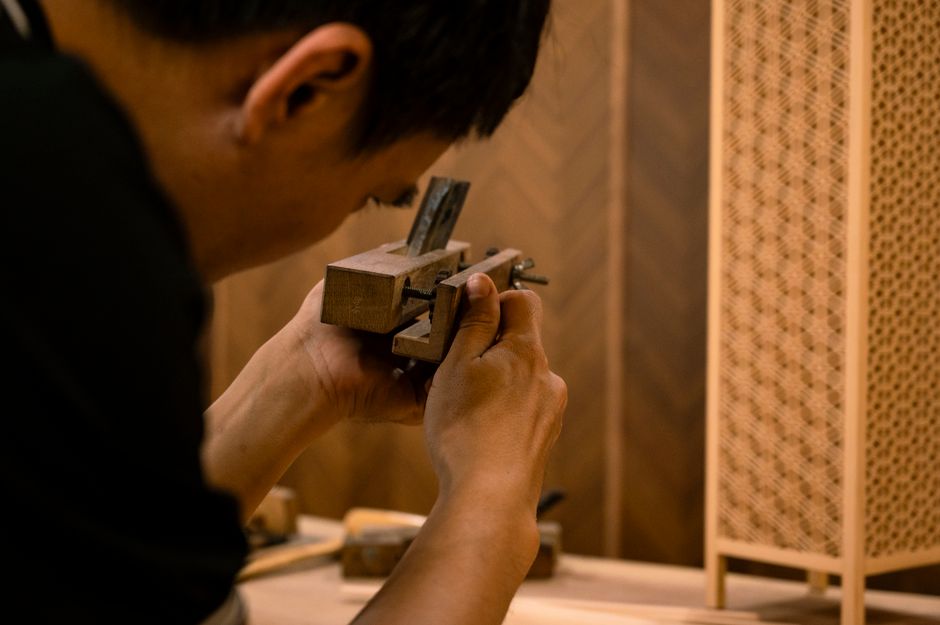
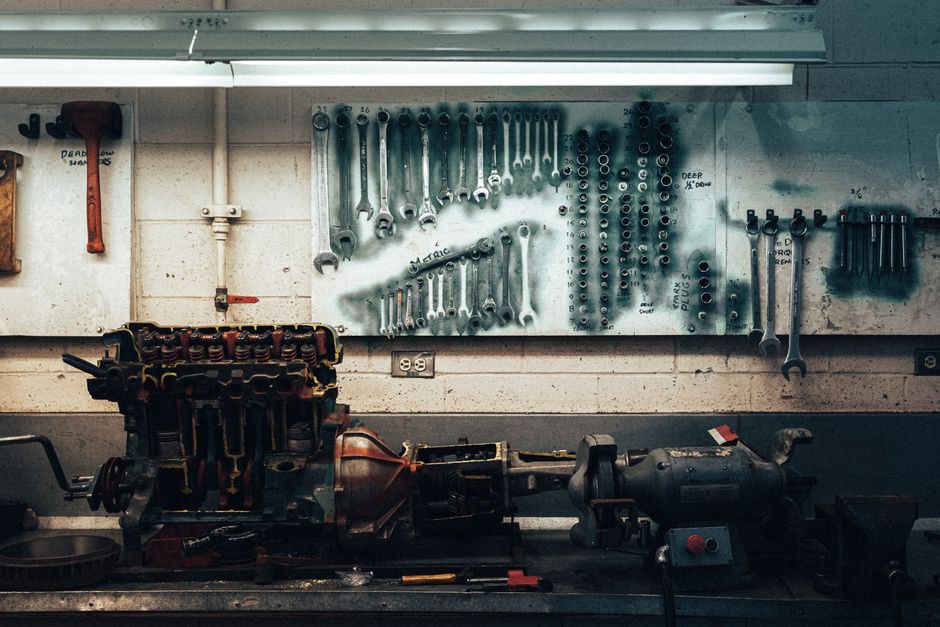
A well-organized workshop scene featuring tools and machinery on a workbench.

Oak & Grain

Discover the craft of furniture making, from selecting hardwoods to assembling traditional joinery pieces for lasting durability.

Common Questions About Furniture Making

  • 1How are hardwoods selected for furniture making?
    Hardwoods are assessed for grain pattern, density, moisture content, and structural soundness. These characteristics influence how the material behaves during cutting, shaping, and assembly.
  • 2What are the characteristics of traditional joinery methods?
    Traditional joinery uses interlocking cuts, such as mortise and tenon or dovetail, to connect components. These methods rely on precise fit rather than mechanical fasteners or adhesives alone.
  • 3What factors influence the durability of joined furniture?
    Durability depends on wood species, joinery precision, environmental conditions, and usage patterns. No single factor guarantees longevity; the interaction of these elements varies across contexts.
  • 4How does moisture content affect hardwood during construction?
    Moisture content affects dimensional stability. Wood that is too wet or too dry may shrink, swell, or warp after assembly, potentially impacting joint integrity and overall form.
  • 5Can traditional joinery be used with all types of furniture?
    Traditional joinery can be adapted to many furniture forms, but suitability depends on design, wood characteristics, and intended function. Not every piece requires or benefits from the same methods.

At Oak & Grain, furniture making is more than a trade—it’s a celebration of natural materials and time-honoured techniques. From the initial selection of hardwoods to the final assembly of traditional joinery, every step is guided by a commitment to durability and craftsmanship.

Selecting the Finest Hardwoods

The journey begins with the careful selection of hardwoods. Each species offers unique characteristics: oak for its strength and beautiful grain, ash for its resilience and flexibility, and walnut for its rich, dark tones. We source sustainably grown timber from British woodlands, ensuring that every piece not only looks stunning but also stands the test of time.

Traditional Joinery Techniques

  • Mortise and tenon: A classic joint that provides exceptional strength and stability, ideal for chair and table frames.
  • Dovetail: Interlocking tails and pins create a joint that resists pulling apart, perfect for drawer boxes and carcasses.
  • Finger joint: A series of interlocking fingers that increase glue surface area, often used in box construction.
  • Through-tenon: A visible tenon that adds a decorative element while maintaining structural integrity.

By combining these time-honoured methods with modern precision, Oak & Grain creates furniture that is not only beautiful but built to last for generations. Whether it’s a dining table, a cabinet, or a bespoke piece, our dedication to traditional joinery ensures lasting durability and timeless appeal.