01
Hand Tool Work
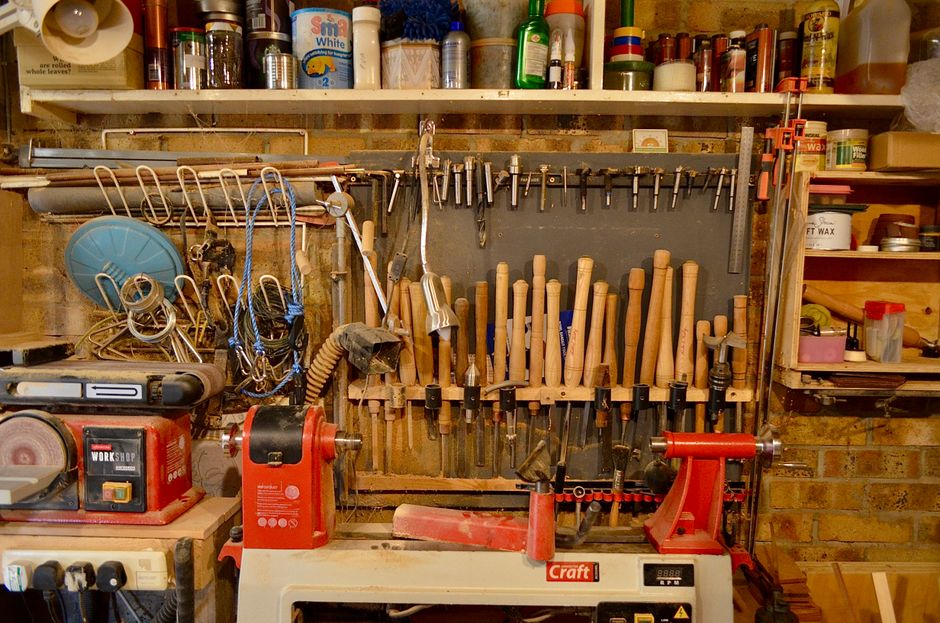
Traditional hand tools are used to shape and finish furniture components with care and precision.

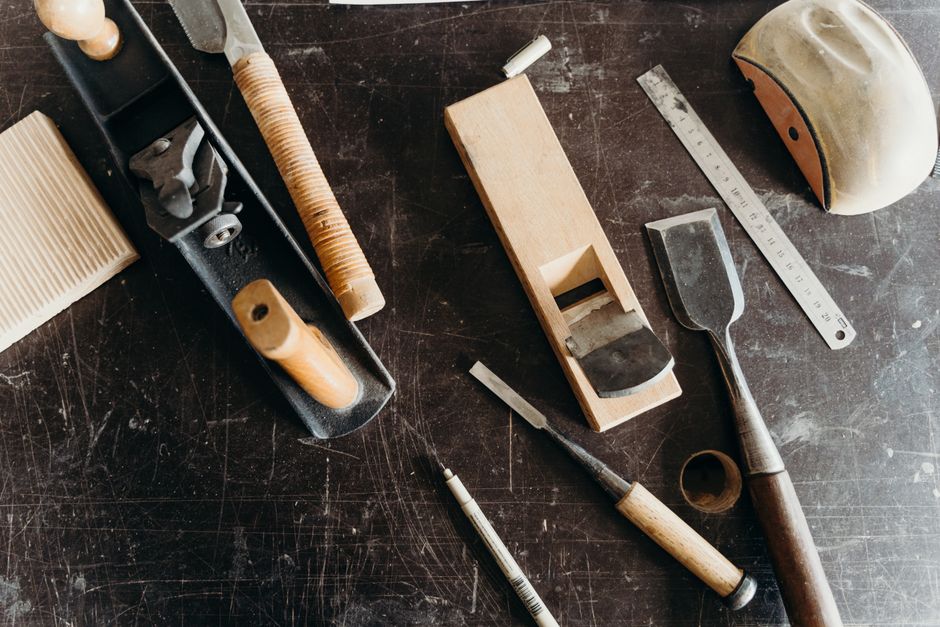
Oak & Grain approaches furniture making through a methodical use of hand tools, careful measuring, and time-honoured joinery techniques. Each piece begins with stock selection and accurate dimensioning, where close attention to grain direction and moisture content informs subsequent steps. Traditional joints — mortise and tenon, dovetail, or housed dado — are cut by hand, using chisels, saws, and planes, which allows for incremental adjustment and a fitting process guided by feel and observation. Measuring is repeated at each stage, so components align within fine tolerances. These methods prioritise craftsmanship, repair rather than replacement. Pieces made with them may, with appropriate care and environmental conditions, remain serviceable for generations; longevity depends on numerous factors beyond the workshop.
Traditional hand tools are used to shape and finish furniture components with care and precision.
Accurate measurement is essential, ensuring each component fits correctly before assembly.
Classic joinery methods create strong, durable connections between wooden parts.
Assembled components are fitted together, completing the construction of each furniture piece.
Traditional joinery is a foundational method in furniture construction that joins individual pieces of wood without relying primarily on adhesives, metal fasteners, or screws. This approach utilises a range of interlocking joints including mortise and tenon, dovetail, box, and finger joints to create solid, mechanically sound connections between components. Each joint type serves a specific structural function, whether resisting lateral movement or transferring load across a frame, and is carefully executed to align with the grain and intended use of the piece.
Oak & Grain integrates traditional hand tool techniques with precise measuring throughout the furniture making process. Hand planes, chisels, and saws are used alongside accurate layout methods to shape components. Traditional joinery, such as mortise and tenon or dovetail joints, is employed to connect parts without relying solely on adhesives or metal fasteners. Measuring and marking are performed with engineers’ squares, marking gauges, and winding sticks to maintain alignment. This approach emphasises the relationship between material and method, and the workshop routinely evaluates each piece through dry fitting and adjustment. The durability of any finished item depends on wood selection, environmental conditions, and use over time.