01
Material Selection
Choice of timber based on grain, moisture content, and intended joint requirements.
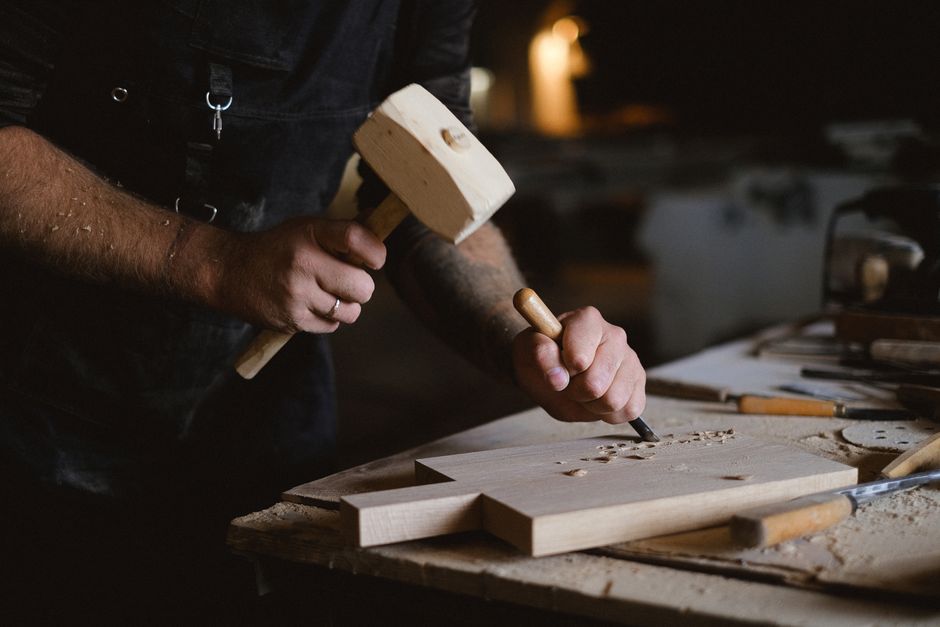
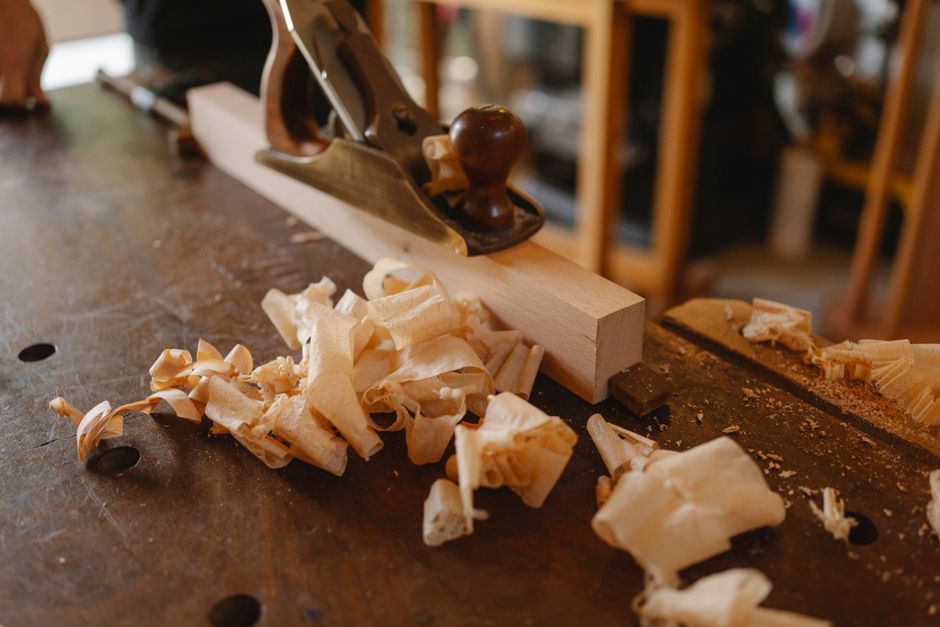
Oak & Grain brings a long-standing background in woodworking to every project we undertake. Our team focuses on classic joinery methods, including mortise and tenon, dovetail, and related techniques that have shaped traditional furniture making for centuries. This approach centres on understanding how wood behaves, how joints are cut to fit, and how assemblies are constructed. We treat these methods as practical frameworks, inherited through experience and refined over time. Whether working with solid timber or mixed materials, we emphasise precision at the joint level. This overview describes our methods and the principles that guide our work. The outcome of any piece depends on many factors, including material selection, environmental conditions, and intended use.
Choice of timber based on grain, moisture content, and intended joint requirements.
Dimensional milling and surfacing to achieve accurate, flat stock prior to joinery work.
meticulous sawing and chiselling to form precise integral elements following established patterns.
Dry fitting and adjustments to ensure compatible interfaces, addressing workshop and environmental conditions.
Mortise and tenon joinery involves fitting a projecting tenon into a corresponding mortise, a method found in traditional timber framing and furniture. Dovetail joints interlock wedge-shaped tails and pins, resisting pulling forces. Both have been used for centuries in British woodworking, valued for their mechanical properties and the skill they require. Their selection depends on factors such as wood type, moisture content, and the intended application.
The mortise and tenon joints in our commission were executed with a level of precision we had not previously encountered, reflecting the team's extensive background in traditional woodworking techniques.
Although my project included only a few dovetailed drawers, the clarity of communication about timber species and traditional joinery methods was consistent and informative throughout our discussions.
Interesting to observe how historical joinery influences contemporary furniture; the process is shaped by material selection and desired structure, but individual experiences vary considerably across different pieces and timber choices.
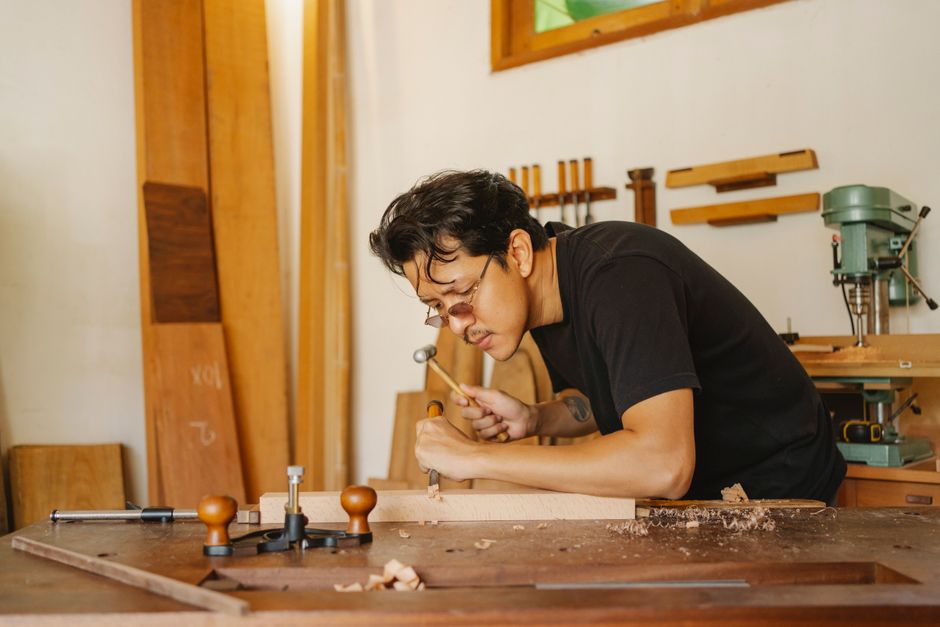
At Oak & Grain, our team brings decades of woodworking experience to every piece we plan and construct. We focus on classic joinery methods such as mortise and tenon, dovetail, and other time-tested techniques. These traditional approaches inform our furniture-making process, from selecting solid timber to shaping components. By relying on mechanical interlocking rather than solely on adhesives or fasteners, we aim for durable and repairable connections. Our workshop prioritises patient handwork and precise fit, with materials chosen for their working properties. Each joint is tailored to the demands of the design, and variations in grain and moisture are considered throughout construction. The methods we use are documented and explained, allowing a clear view of how each piece is made.