Comparing Oak, Walnut, and Maple for Furniture
When selecting timber for furniture, the choice between oak, walnut, and maple involves a consideration of several material properties. Each species presents a distinct combination of density, grain pattern, colour, and working characteristics. These factors influence how the wood behaves during construction, how it accepts various finishes, and how it performs in different domestic settings. Understanding these differences can help in making informed decisions that align with specific project requirements and aesthetic preferences.
Oak, walnut, and maple are among the most common hardwoods used in furniture making across the United Kingdom. Oak is often associated with durability and a prominent grain, walnut with a darker, richer tone, and maple with a fine texture and resistance to wear. However, these generalisations only scratch the surface. The suitability of each wood depends on the furniture type, the desired finish, and the environmental conditions where the piece will be placed. This article examines these three timbers in detail, providing a comparative overview without prescribing a single best option.
In the following sections, we will explore the characteristics of oak, walnut, and maple, discuss their typical applications, and consider how finishing techniques interact with each wood’s properties. The goal is to equip readers with a framework for evaluating these materials in the context of their own projects, whether for a dining table, a cabinet, or a decorative item.
Oak: Durability and Distinctive Grain
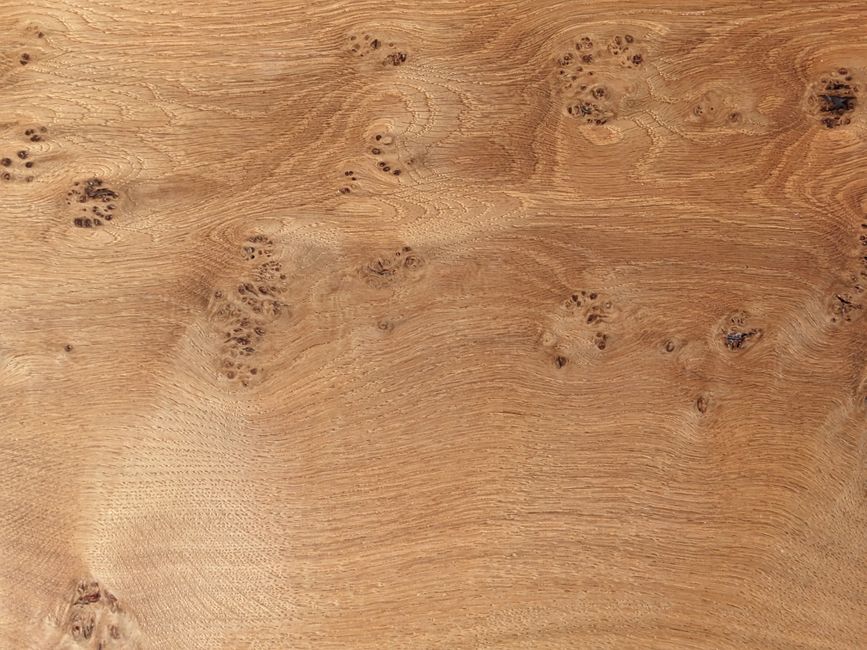
Oak is a hardwood that has been used in furniture making for centuries, particularly in the UK where it is often associated with traditional and rustic styles. Its popularity stems from a combination of mechanical strength and visual appeal. The wood’s cellular structure includes prominent medullary rays, which create a distinctive grain pattern often referred to as ‘figure’. This figure can range from straight and subtle to bold and flared, depending on the cut and the specific species. Oak is generally dense and hard, making it resistant to dents and scratches under normal use. However, it can be heavy, which may influence the design of larger pieces.
There are two main types of oak used in furniture: red oak and white oak. White oak is more commonly used in fine furniture due to its tighter grain and greater resistance to moisture. Red oak, while still durable, has a more open grain and a slightly pinkish hue that may not suit all finishes. Oak accepts a wide range of finishes, from clear lacquers that highlight its natural colour to stains that deepen its tone. Due to its open pores, oak may require grain filling before applying a smooth finish, especially if a high-gloss look is desired. This step adds time but can enhance the final appearance.
In terms of furniture types, oak is well-suited for pieces that require structural integrity, such as dining tables, bed frames, and bookcases. Its durability makes it a practical choice for items that see frequent use. However, its weight and hardness can make it more challenging to work with hand tools, and it may blunt cutting edges more quickly than softer woods. Oak also responds to changes in humidity, expanding and contracting seasonally, which is a consideration in centrally heated homes. Proper acclimatisation and finishing can mitigate these effects. Oak & Grain often works with oak for clients seeking a robust, traditional look, but the wood’s characteristics should be weighed against the specific demands of each project.
Walnut: Rich Colour and Workability
Walnut is prized for its deep, chocolate-brown colour and its typically straight, though sometimes wavy, grain. The wood often darkens over time, developing a patina that many find appealing. In the UK, walnut is often associated with mid-century modern and contemporary furniture, where its rich tone provides a striking contrast to lighter materials. Walnut is generally softer than oak, which makes it easier to work with hand tools and less likely to dull edges. This workability can be advantageous for intricate carvings or detailed joinery. However, its relative softness means it may be more susceptible to dents and scratches than harder woods like oak or maple.
The colour of walnut can vary significantly from tree to tree, ranging from light brown to nearly black. This variability can be a challenge when trying to match boards for a large piece, but it also offers opportunities for creating visual interest. Walnut finishes well with oil-based products, which can enhance its depth of colour. A clear finish, such as a wiping varnish or lacquer, can protect the wood without altering its hue. Because walnut has a more closed grain than oak, it often requires less filling to achieve a smooth surface. However, its pores can still be large enough to require some attention.
Walnut is commonly used for tables, cabinets, and decorative items where its colour is a focal point. It is less suited for high-traffic areas or pieces that are likely to be subjected to heavy wear, such as kitchen worktops, unless protected with a durable finish. Its dimensional stability is moderate; it moves less than oak but more than maple. In terms of sustainability, walnut is often sourced from managed forests, but availability can fluctuate. When considering walnut, it is important to assess how its colour will interact with the overall design and whether its softer nature aligns with the intended use. Oak & Grain has observed that clients are often drawn to walnut for its aesthetic qualities, but they should be aware of its maintenance requirements.
Maple: Fine Texture and Wear Resistance
Maple is a hard, dense wood with a fine, uniform texture that often lacks the pronounced grain of oak or the colour variation of walnut. It is typically pale, ranging from creamy white to light reddish-brown, and it may darken slightly with age. Maple’s fine grain makes it an excellent candidate for painting, as the surface does not show brush marks as readily as more open-grained woods. It also takes stains well, although achieving an even colour can be challenging due to its density and sometimes blotchy nature. In the UK, maple is often used in contemporary furniture, kitchen cabinets, and flooring, where its clean, understated look is desired.
One of maple’s key attributes is its resistance to wear. It is harder than oak and walnut, making it resistant to scratches and dents. This makes it suitable for surfaces that see heavy use, such as tabletops and cutting boards, though it is still not indestructible. Maple’s hardness also makes it more difficult to work with hand tools; it requires sharp edges and can be prone to burning during machining. Its dimensional stability is good, meaning it moves less in response to humidity changes than oak. However, it can still be affected by extreme fluctuations, so proper acclimatisation is essential.
Maple is often chosen for furniture that requires a smooth, flawless finish or a neutral background for other design elements. It is also used in musical instruments and sporting goods, but in furniture, it is frequently found in bedroom sets, desks, and children’s furniture due to its durability. Finishing maple can be tricky; a pre-stain conditioner is often recommended to promote even stain absorption. Clear finishes, such as lacquer or polyurethane, work well to protect the wood while allowing its natural lightness to show. Oak & Grain sometimes uses maple for projects that demand a combination of hardness and a subtle appearance, but it is important to consider that its plainness may not appeal to those seeking characterful grain.
Choosing the Right Wood for Different Furniture Types
Selecting among oak, walnut, and maple requires an assessment of both functional and aesthetic criteria. The following list outlines typical furniture categories and how each wood might perform, but these are general guidelines rather than strict rules. Individual project requirements, such as budget, design style, and expected use, will ultimately guide the decision.
- Dining Tables: Oak is often favoured for its durability and resistance to scratches, while walnut offers a rich colour that can serve as a centrepiece. Maple is less common for dining tables but can be used if a pale, uniform look is desired; however, it may show water marks more readily.
- Cabinets and Shelving: Maple’s fine grain and hardness make it suitable for painted cabinets, as it provides a smooth surface. Oak is also used, particularly for rustic or traditional styles, while walnut is chosen for a more contemporary or luxurious appearance.
- Bedroom Furniture: Maple and oak are both durable options for bed frames and nightstands. Walnut can add warmth and elegance, but its softer surface may require more care to avoid dents.
- Occasional Tables: Walnut’s colour can make a statement in living rooms, while oak’s durability suits coffee tables that see frequent use. Maple’s resistance to wear is beneficial for side tables that may be moved often.
It is also worth considering how each wood interacts with other materials in the room. Oak’s grain can complement natural textiles and metals, while walnut’s dark tone pairs well with lighter upholstery. Maple’s neutral palette allows it to blend with various colour schemes. In all cases, the thickness and construction method will influence the piece’s overall strength and longevity, regardless of the wood species.
Finishing Techniques and Their Interaction with Wood Properties
Finishing is a critical stage that can enhance or alter the appearance and performance of any wood. The choice of finish depends on the desired look, the level of protection required, and the wood’s natural characteristics. For oak, a clear lacquer or oil-based finish can highlight its grain, while a stain can change its colour but may obscure the figure. Due to oak’s open pores, grain filler is often necessary before applying a film finish to achieve a smooth surface. Walnut benefits from oil finishes that deepen its colour and bring out its natural lustre, but it can also be finished with lacquer for a more protective coat. Maple, with its tight grain, accepts both clear and tinted finishes, but a pre-stain conditioner is advisable to prevent blotching when using stains.
In addition to aesthetic considerations, finishes affect durability and maintenance. A hard, film-forming finish like polyurethane provides good resistance to moisture and wear, making it suitable for tabletops. Oil finishes, while easier to repair, require more frequent reapplication. The environment where the furniture will be placed also matters; in humid areas, a moisture-resistant finish is beneficial. It is important to follow the manufacturer’s instructions for any finishing product and to test on a sample piece first, as different woods can react unpredictably. Oak & Grain typically recommends a finish that aligns with the client’s lifestyle and the piece’s function, but the final choice rests with the individual.
Understanding the properties of oak, walnut, and maple provides a foundation for informed decision-making, but the optimal choice depends on a balanced evaluation of durability, aesthetics, workability, and the specific context of each project.
In conclusion, comparing oak, walnut, and maple reveals that each wood has distinct advantages and limitations. Oak offers exceptional durability and a strong grain presence, walnut provides rich colour and ease of working, and maple delivers fine texture and wear resistance. There is no universally superior wood; the best choice emerges from aligning the wood’s characteristics with the intended furniture type, finishing technique, and environmental conditions. By considering these factors, one can select a timber that meets both practical needs and design aspirations.