Steam Bending Wood for Curved Furniture
Steam bending is a woodworking technique that shapes solid wood into curves by softening its fibres with steam and then bending it into a form. Unlike cutting curves from a solid board, this method preserves the continuous grain of the timber, which can contribute to both strength and aesthetic appeal in finished pieces. The approach has a long history in furniture making, particularly in traditional designs where flowing lines and ergonomic shapes are valued. Understanding the process requires familiarity with wood properties, equipment, and the careful control of moisture and heat.
In the context of furniture, steam bending is often chosen for components such as chair backs, rockers, and decorative elements that demand gentle or complex curves. The technique allows wood to be shaped without the waste associated with cutting away material, and it can produce pieces that are both lightweight and resilient. However, success depends on selecting appropriate species, preparing the wood correctly, and managing the bending operation with precision. This article explores the key stages of steam bending, from material selection to forming and finishing, with a focus on established practices and considerations for those interested in traditional methods.
Whether you are a woodworker, a furniture historian, or simply curious about how curved wooden objects are made, the information here provides a foundational overview. The process is not without challenges, and outcomes can vary based on numerous factors including wood quality, steam conditions, and bending speed. By examining each step, readers can gain a realistic appreciation for the craft and the variables that influence the final result.
Understanding the Science of Steam Bending
Wood is a hygroscopic material, meaning it absorbs and releases moisture depending on its environment. When wood is exposed to steam, the heat and moisture penetrate the cell walls, causing the lignin—a natural polymer that acts as a binder—to soften. This softening temporarily reduces the wood’s resistance to bending, allowing it to be deformed into a curved shape. The process relies on the plasticisation of the wood, which is a reversible change; once the wood cools and dries, it retains the new shape. The effectiveness of steam bending is influenced by the wood species, its moisture content, and the temperature of the steam.
Different wood species respond differently to steam bending. Hardwoods with straight grain and minimal defects tend to perform well, such as oak, ash, beech, and walnut. Softwoods are generally less suitable because their cellular structure does not plasticise as effectively, and they may be more prone to compression failures. The moisture content of the wood prior to steaming is critical; typically, air-dried wood with a moisture content around 12–20% is preferred, as overly dry wood may become brittle, while excessively wet wood may not achieve the necessary stiffness after bending. The steam temperature is usually maintained around 100°C (212°F), and the duration of steaming depends on the thickness of the piece, often calculated as one hour per inch of thickness.
It is important to note that steam bending does not guarantee success, and various defects can occur, such as surface checks, end splits, or springback. These issues arise from factors like uneven steaming, excessive bending speed, or inherent weaknesses in the wood. Therefore, careful preparation and controlled conditions are essential. The science behind steam bending continues to be studied, but practical experience remains a valuable guide in achieving consistent results.
Selecting and Preparing Wood for Bending
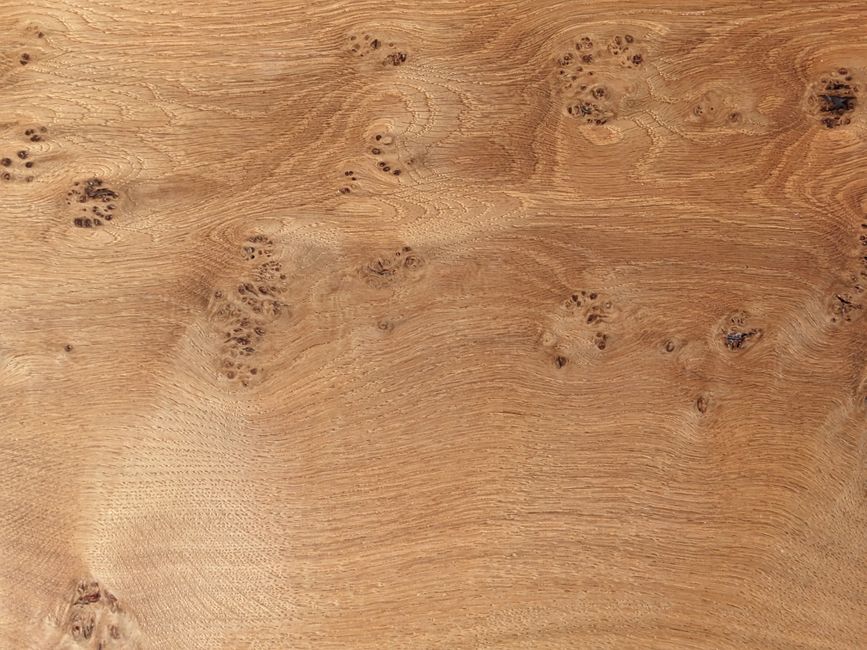
The selection of timber is a foundational step in steam bending. Ideally, the wood should be straight-grained, free from knots, and have minimal runout. The grain should run parallel to the length of the piece to distribute stress evenly during bending. Species such as oak, ash, and beech are traditional choices due to their favourable bending properties, but other hardwoods can also be used with appropriate adjustments. At Oak & Grain, for example, the focus is on understanding how different species behave under steam, which informs the selection process for specific furniture components.
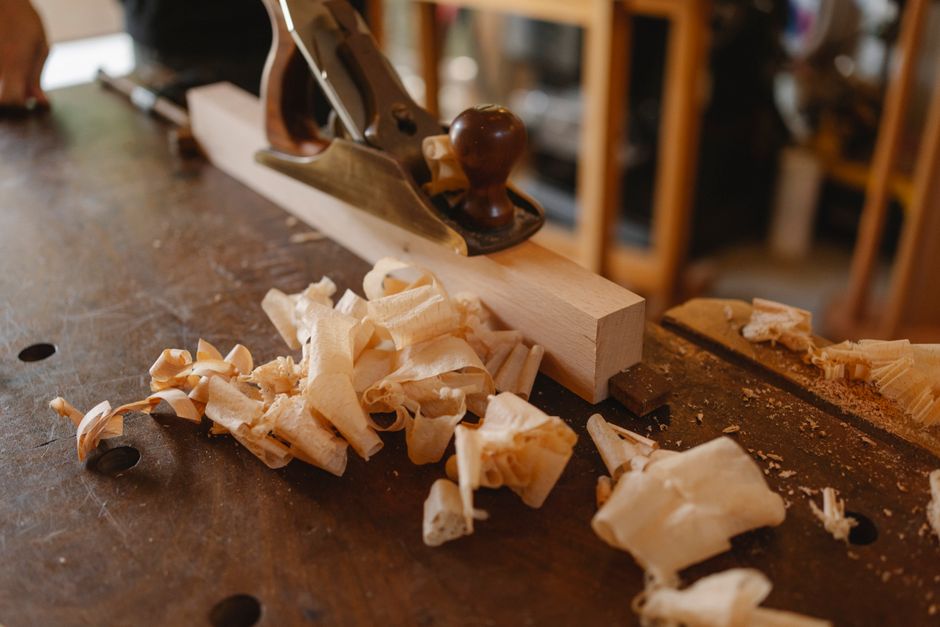
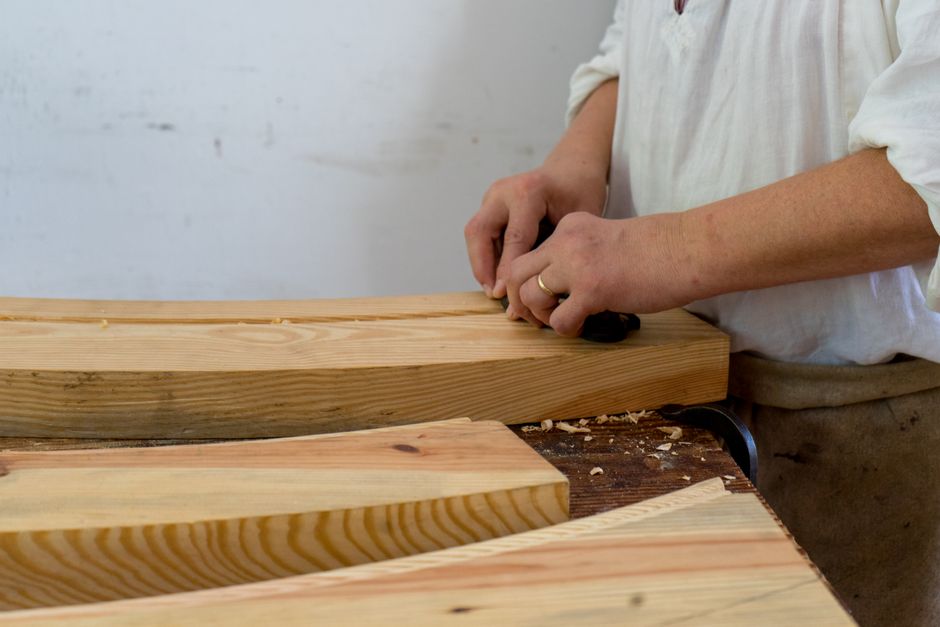
Once the wood is selected, it must be prepared for bending. This involves cutting the piece to approximate dimensions, allowing extra length for trimming after bending. The surfaces should be planed smooth to reduce the risk of splintering, and any sharp edges may be rounded slightly. The moisture content should be checked and adjusted if necessary; if the wood is too dry, it can be soaked in water for several hours or even days to increase its moisture content. For thicker pieces, a series of small holes or a shallow kerf may be cut along the inside of the bend to relieve compression stresses, although this is not always required.
Preparation also includes building or acquiring a bending form. The form dictates the final curve and must be sturdy enough to withstand the pressure of the bent wood. It is typically made from solid wood or plywood and may include metal straps or clamps to secure the piece. The form should be designed with a slight overbend to account for springback, which is the tendency of wood to partially return to its original shape after bending. The amount of overbend varies by species and bending radius, and experience or testing can help determine the appropriate adjustment.
The Steam Bending Process Step by Step
The steam bending process begins with setting up a steam chamber, which can be a simple plywood box, a metal pipe, or a commercial steamer. The chamber should be large enough to accommodate the longest piece and allow steam to circulate freely. A source of steam, such as a wallpaper steamer or a dedicated boiler, is connected to the chamber. The wood is placed inside the chamber on supports to keep it above any condensed water, and the chamber is sealed to contain the steam. The time required for steaming depends on the thickness of the wood; as a rule of thumb, one hour per inch of thickness is common, but this can vary.
Once the wood has been steamed sufficiently, it is removed quickly and placed onto the bending form. Speed is important because the wood begins to cool and stiffen as soon as it leaves the chamber. The piece is then clamped or strapped into the form, starting from the centre and working outward to ensure even pressure. A metal compression strap is often used on the outside of the bend to prevent the wood from stretching and splitting. The wood is left in the form to cool and dry, which may take several hours or overnight. During this time, it acquires the shape of the form.
After cooling, the wood is removed from the form and inspected for defects. Some springback may occur, and the final shape may differ slightly from the form. If the bend is not accurate, the piece may be re-steamed and bent again, but repeated steaming can degrade the wood. The ends are then trimmed to final length, and the piece is ready for joinery and finishing. It is worth noting that the process is not foolproof; even with careful execution, some pieces may fail, and this is a normal part of working with steam-bent wood.
Applications in Traditional Furniture
Steam bending has been used in furniture making for centuries, particularly in the production of chairs, where curved components contribute to comfort and aesthetics. Chair backs, for instance, often feature a gentle curve that supports the spine, and steam bending allows this shape to be created from a single piece of wood, maintaining grain continuity. Rockers on rocking chairs are another classic application; the curved runners are typically steam-bent to achieve a smooth, uniform arc that is both strong and visually pleasing. Decorative elements such as curved aprons, arms, and stretchers also benefit from steam bending, as it enables fluid lines without the need for joinery.
In traditional furniture styles such as Windsor, Thonet, and Arts and Crafts, steam bending is a signature technique. The Thonet chair, for example, famously uses steam-bent beech to create its iconic curved back and seat frame. These designs demonstrate how steam bending can be used to produce lightweight yet durable furniture that is also elegant. While modern manufacturing often employs laminated bending or CNC machining, steam bending retains a place in bespoke and heritage furniture making, where the unique character of solid wood is valued.
For those interested in exploring steam bending, it is advisable to start with simple projects and small pieces to gain experience. The technique requires patience and a willingness to learn from mistakes. With practice, woodworkers can develop the skills to create complex curves that enhance the beauty and functionality of furniture. As with any craft, the results depend on the quality of materials, the precision of the process, and an understanding of the wood’s behaviour.